
What makes a place very memorable? It is not always a huge monumental temple or a towering structure, but in some cases, a small bronze figure with a story to tell that can touch the heart of every person. One of such places is the Hachiko statue in Tokyo. This small statue is not just a landmark, but also an expression of loyalty, love and a relationship which cannot be destroyed over time. As you enter the bustling streets of Shibuya, you get to witness Hachiko standing outside, waiting; it seems that the city around you has stopped. You will not be able to pass by without noticing it.
Whether you love history, want to travel, or listen to emotional stories, this place attracts you immediately, and you can explore it with the help of the Japan tour package. It has so many great places to visit around it, and the visit to the Hachiko statue Japan would be a beautiful beginning to observe Shibuya.
Hachiko Statue Story
The Hachiko Statue, often lovingly referred to as the Hachiko memorial statue, depicts a very touching and unforgettable story from Japan that is felt by people all over the world. Hachiko was a calm, kind, smart Akita dog who became very close to his owner, Professor Hidesaburo Ueno, who taught at Tokyo University. Every day, Hachiko accompanied the professor to Shibuya Station and returned in the evening to greet him. This became a simple but special routine which meant a lot to both of them.
But one sad day in 1925, the professor died suddenly at work and never returned to the station. No one could explain the grief of Hachiko and how it felt, but what came next was the main part of the statue's story. Hachika continued to stay at the same place as before in front of Shibuya Station every evening and waited for the professor even after he was gone. He waited every single day through cold winters, hot summers, rain, and noisy crowds.
His dedication lasted for ten years. People walking at the station started to see the quiet dog with hopeful eyes. Many were moved by his loyalty, and so they started to feed him, took care of him and kept him company. The newspapers wrote about it, and he became a national signifier of real devotion. After Hachiko's death, a bronze statue was built right at the spot where Hachiko waited in Japan. Today, the statue is visited by tourists and locals not only to take pictures, but to get a feel for the warmth of a love that remained even though life was forever changed.
Cultural Significance of Hachiko Statue
The Hachiko statue in Japan is a very culturally significant structure both to the locals and visiting people. It is the Japanese ideal of makoto, pure, honest sincerity. The story of Hachiko is a common subject in schools where children are being taught the value of being loyal, loving, and faithful to their relationships. The statue is now also a meeting point, as it also shows that the spirit of trust still exists even in daily life. The story of the Hachiko statue keeps being celebrated in movies, books, and artworks, and every year, people assemble on March 8th to pay tribute to the memory of Hachiko. To most people, the visit to the statue is not a mere sightseeing experience; it is a heart-touching event in the history of Japan.
Best Time to Visit Hachiko Statue
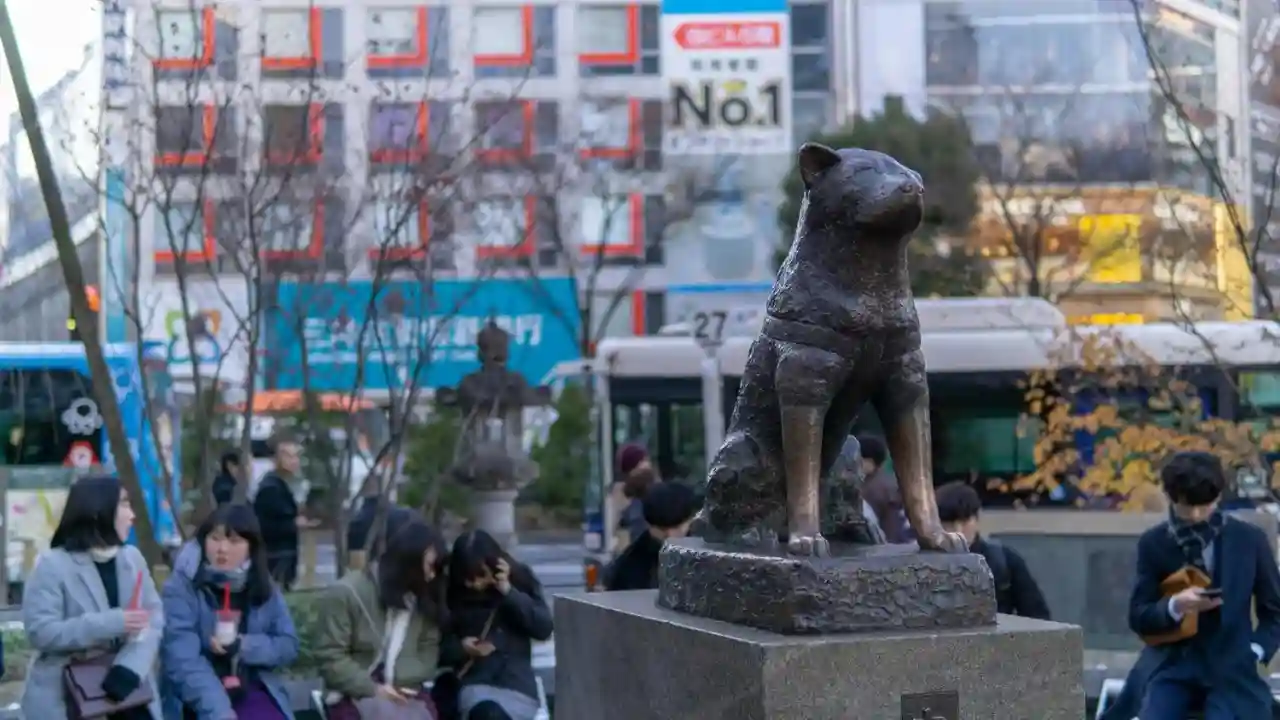
Seeing the Hachiko statue is always a beautiful experience, regardless of the time of the year, but there are certain moments which make it all the more special. Early morning is the best time to come, as there are fewer crowds, and it is peaceful and relaxing because of the soft daylight. In case you are fond of taking pictures, it is wonderful to photograph in the evening, at sunset, as the lights of Shibuya Crossing are bright, and you may feel the calmness of the Hachiko statue at night. You can also plan to visit during the seasons such as spring and autumn, as the weather remains cool and pleasant, and you will be able to enjoy your time at Shibuya and feel comfortable and relaxed.
Most appropriate Time of day: Early morning or evening.
Best Season: Spring (March-April) and Autumn (October-November)
Crowd Level: Weekends- High.
How To Reach Hachiko Statue
It is very easy to get the Hachiko statue since it is located right outside one of the busiest railway stations in Tokyo, which is the Shibuya Station. The statue is found at the well-known Hachiko Exit, which is well marked within the station. As soon as you get out of the door, you will find the bronze statue standing on your right side. Due to the fact that Shibuya is a significant transport centre, you can get to it using trains, subways, and even buses from almost every place in Tokyo. This is convenient, and thus, the Hachiko statue location is one of the most convenient landmarks in the city.
Hachico Statue Location: Hachico Exit, outside Shibuya Station.
Closest Metro Line: JR Yamanote Line, Tokyo Metro Ginza Line, Hanzomon Line, Fukutoshin Line.
Cost: Free to visit
Travel Time: 10-20 minutes to major Tokyo areas.
Top 10 Places to Visit Near The Hachiko Statue
The places around the Hachiko Statue are filled with monasteries, old roads, blowing winds, and scenery brushed with divinity. Every location below also has its own story, from fashion streets and rooftop parks to shrines, art districts, and nightlife areas. The 10 best places to visit after visiting the most faithful dog in the world are listed here.
1. Shibuya Scramble Crossing
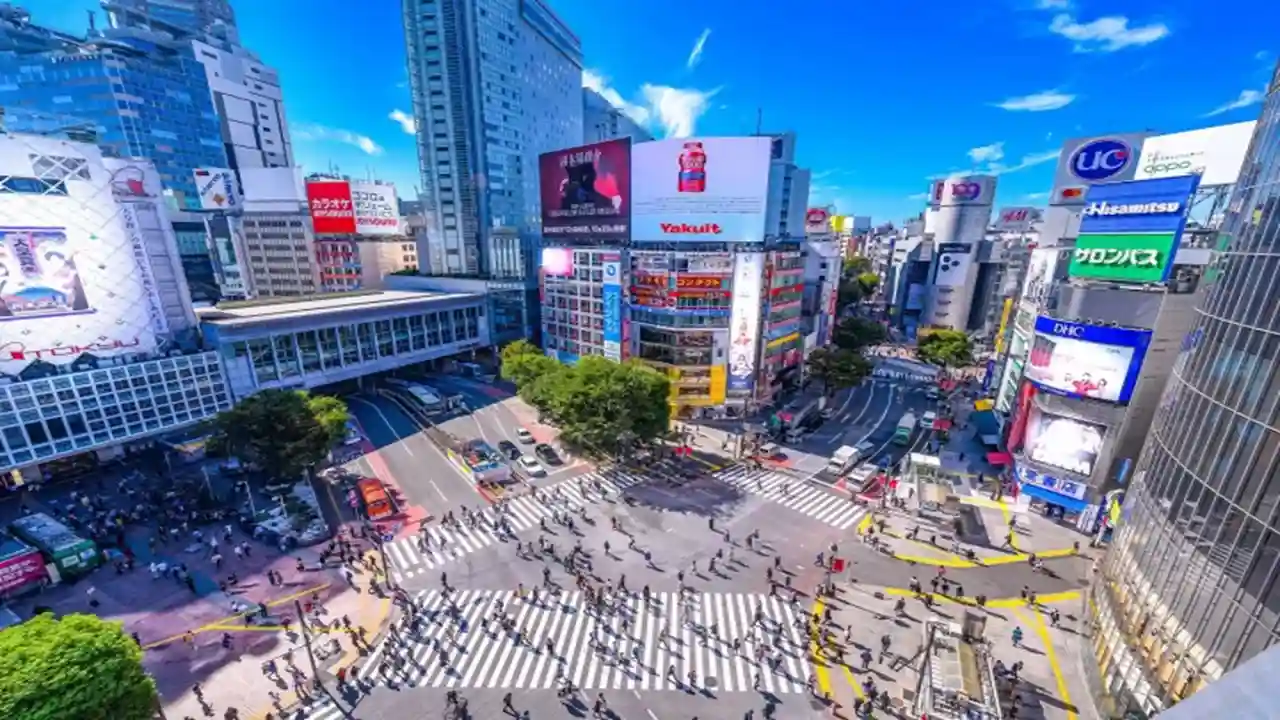
The Shibuya Scramble Crossing is a very electrifying place to visit in Tokyo, where thousands of individuals cross the intersection in perfect synchrony whenever the light turns green. To be in this place is to watch the pulse of modern Japan beat, which is rapid, organised, and endlessly interesting. The crossing seems like a living mural of lights and movement as seen through overhead local cafes. It is the pulse of Shibuya and defines its colourful environment, whether during the day or at night.
Location: Right in front of Shibuya Station.
Famous for: The busiest pedestrian crossing in the world.
Timings: 24/7
Cost: Free
2. Miyashita Park
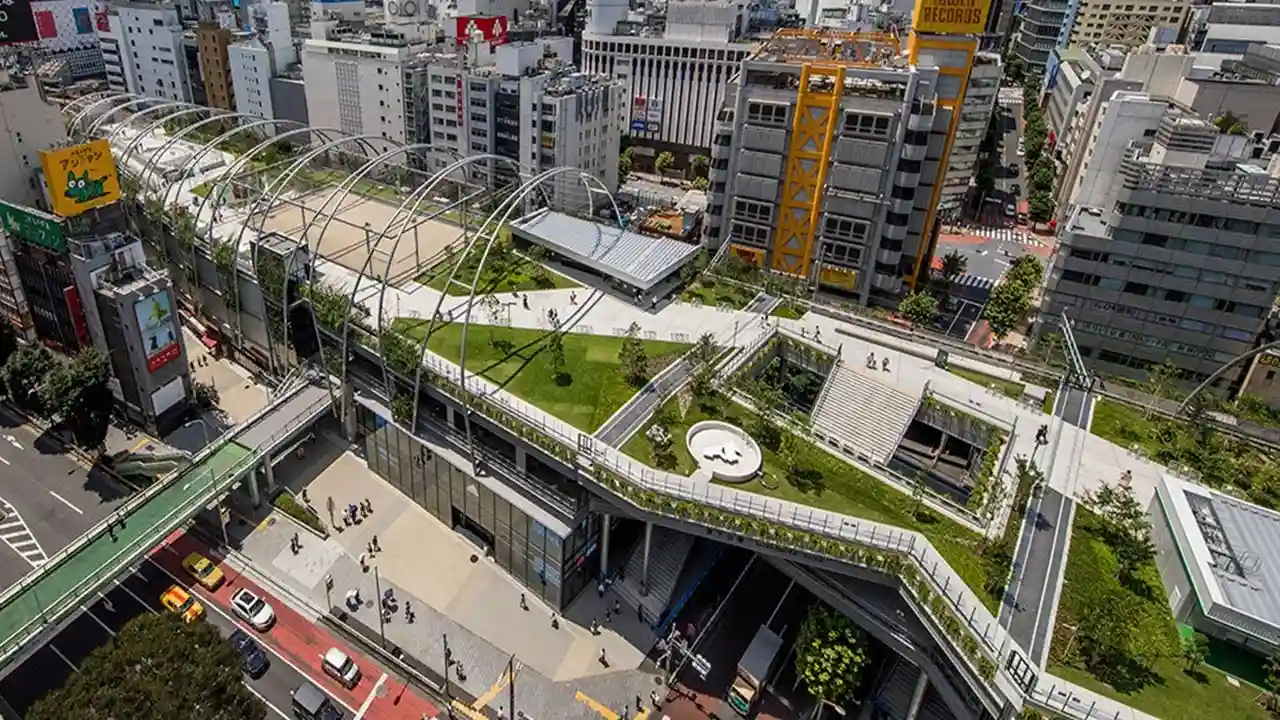
Miyashita Park is a beautiful rooftop park, which combines nature, architecture, and a youthful atmosphere. It is elevated over the streets, offering open lawns, cafes, small stores, and playgrounds such as bouldering walls and skate ramps. The environment here is greener and calmer in comparison with busy streets beneath, where a lot of people go in order to relax and get away from the crowd. Its modern appearance, broad paths, and seafront are a refreshing experience that the visitors and residents admire.
Location: Within a 5-minute distance from Hachiko.
Famous for: Rooftop park, shopping, and hangout places.
Timings: 8:00 AM - 11:00 PM
Cost: Free (activities may have some additional cost)
3. Shibuya Sky Observatory
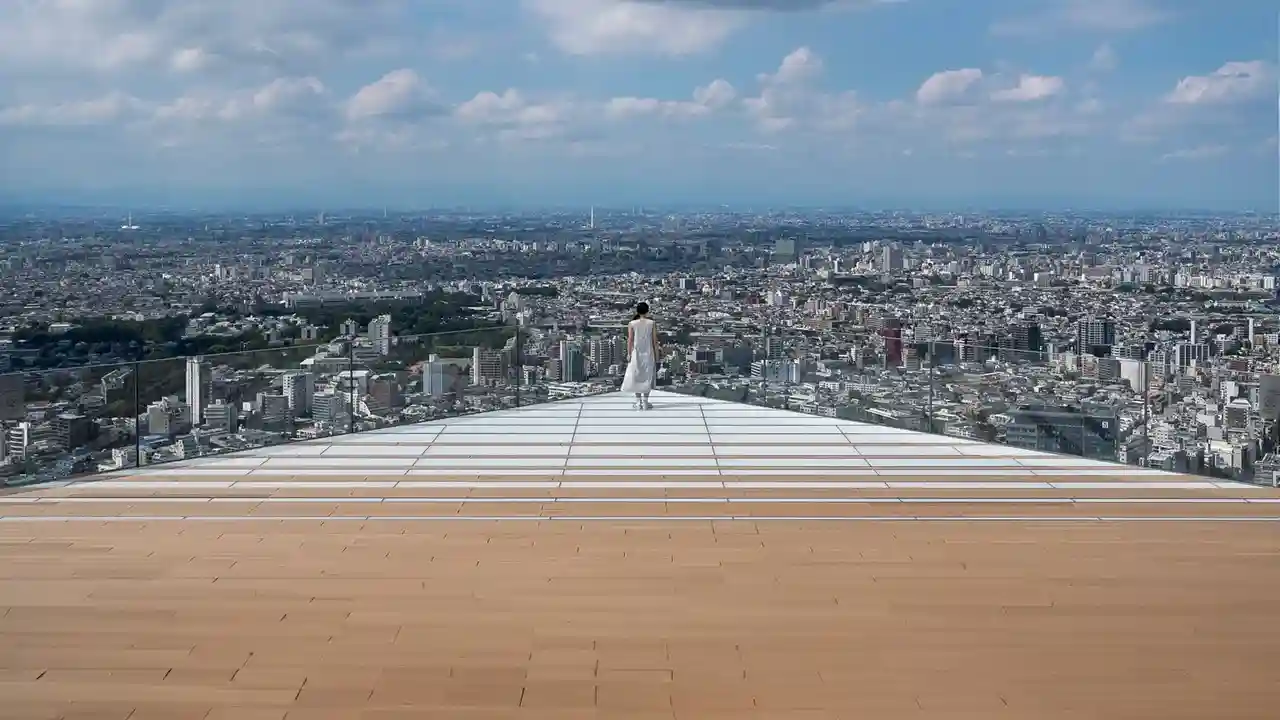
Shibuya Sky Observatory is a rooftop restaurant which gives one of the most stunning panoramic views of Tokyo. You can see the 360-degree view of Tokyo with the skyscrapers stretching like steel mountains and the city lights sparkling like constellations, which can be seen through the open-air deck. The view seems to be a dream due to the height and the wind. It is a fantastic opportunity to observe the magnitude of the city, particularly the sunset or clear nights.
Location: Shibuya Scramble Square.
Famous for: Panorama view from the rooftop.
Timings: 10:00 AM - 10:30 PM
Cost: ₹1,150-₹1,450 (¥2,000 - ¥2,500)
4. Centre Gai Street
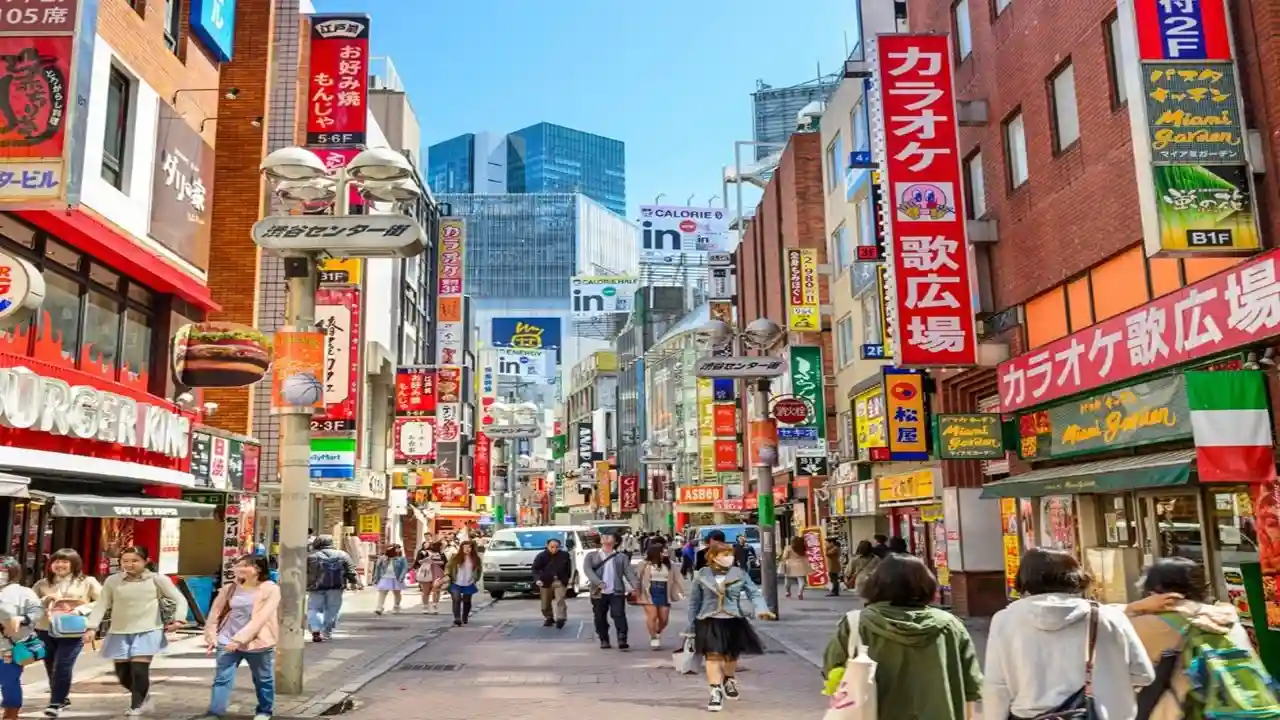
The main street (Centre Gai) is a bustling street of youth culture with cafes, fashion boutiques, arcade games, karaoke bars, and chattering on the streets. It demonstrates the pop culture of Tokyo and the youthful vigour that comes alive with its colours and music. It feels like one is walking into this world of style, music, and excitement. It is a place where you can experience an enchanting nightlife, energy on the streets, as well as the warm local atmosphere.
Location: Opposite the Shibuya Station.
Famous for: Nightlife and youth culture.
Timings: Typically 10:00 AM - 11:00 PM
Cost: Free
5. Shibuya 109
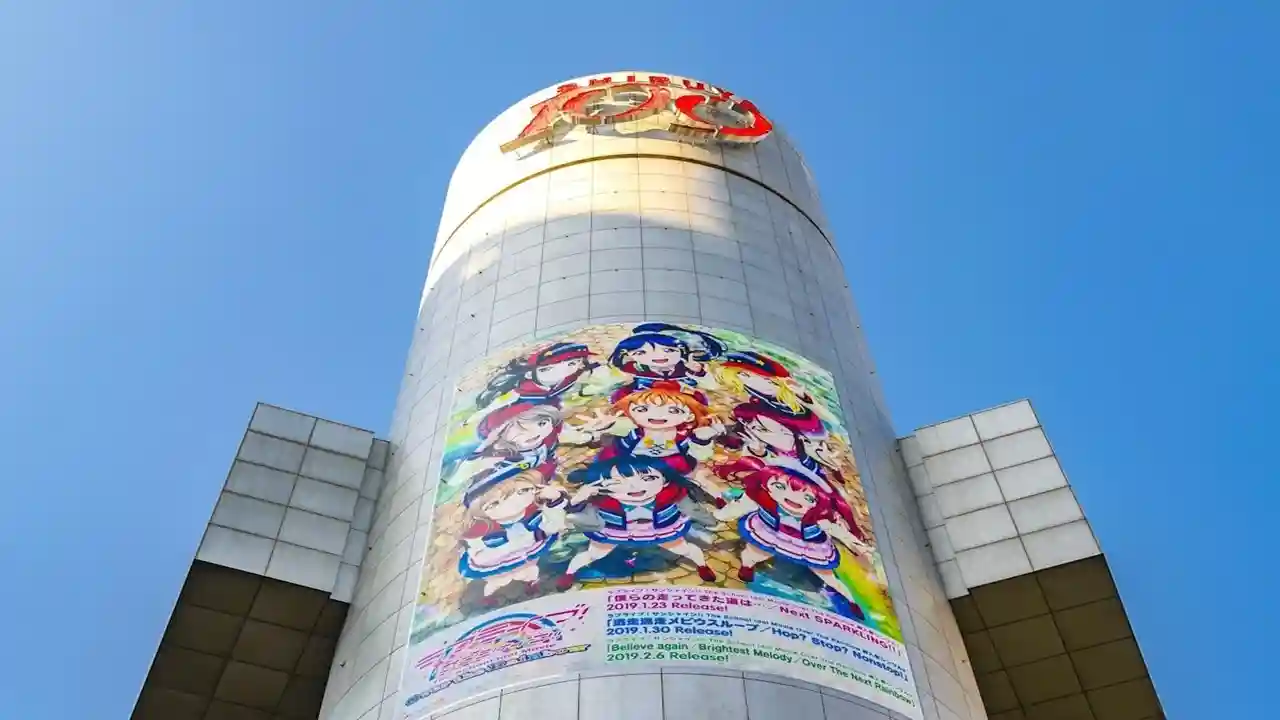
Shibuya 109 is a shopping centre that influenced Tokyo youth fashion for a long period of time and is nothing less than a fashion temple. The building contains numerous trending fashion and bold accessory stores on different levels. The entire venue is occupied by energetic people, music, and fashion enthusiasts. The experience of walking through the stores is a creative adventure, even if you are not purchasing anything.
Location: 4 minutes from Hachiko.
Famous for: Youth fashion trends.
Timings: 10:00 AM - 9:00 PM
Cost: Free entry (Cost depending on what you purchase)
6. Yoyogi Park
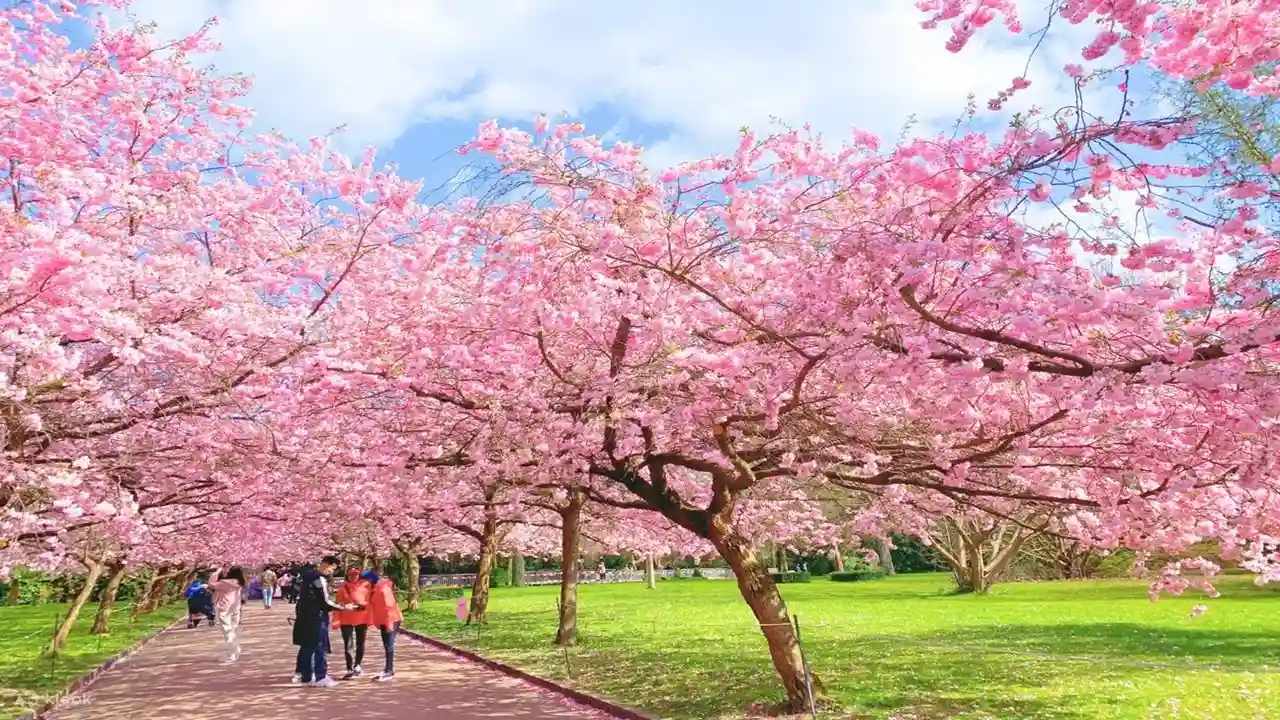
Yoyogi Park is a big green area that contains trees, ponds, and open lawns. During weekends, it gets transformed into a very vibrant venue with dancers, musicians, artists, and picnic groups. You may walk at your own pace peacefully, read sitting under a tree or observe the creativity of the people of Tokyo. The park offers a relaxing and exhilarating experience with serenity and calm.
Location: 15 minutes from Shibuya.
Famous For: Picnics, entertainment, and seasonal scenery.
Timings: 24 hours.
Cost: Free
7. Meiji Shrine
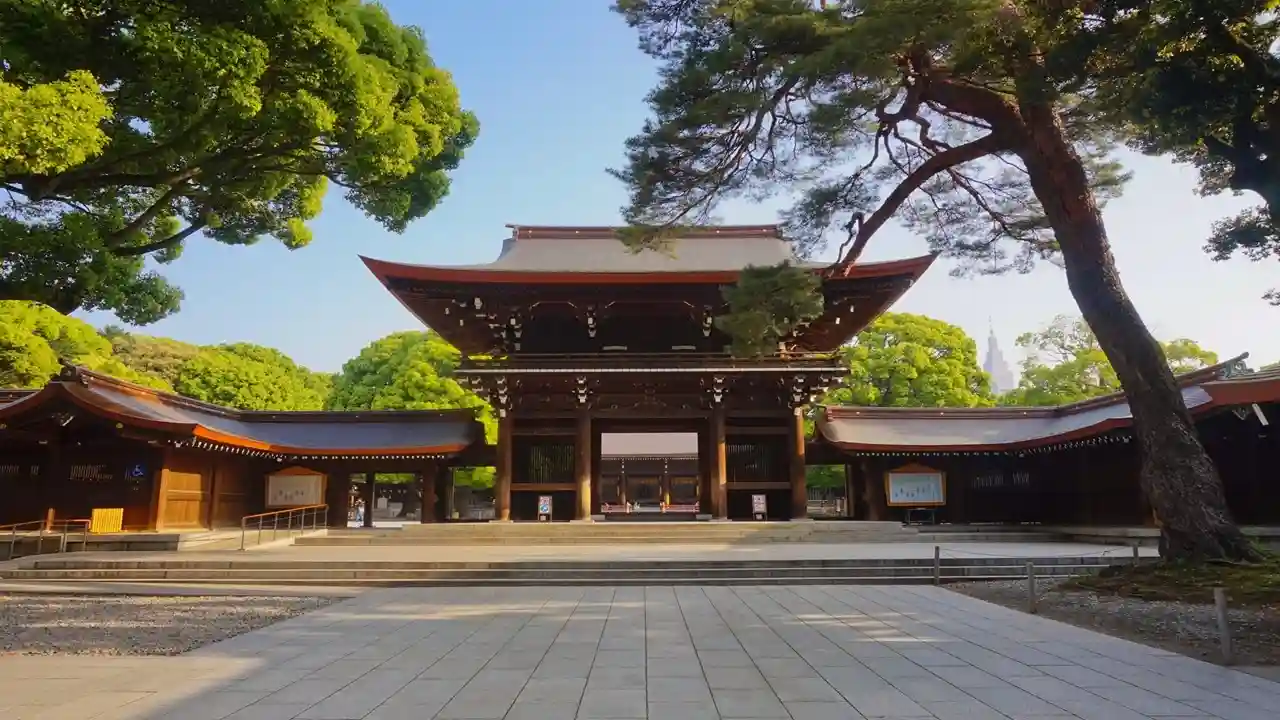
Meiji Shrine is a serene place situated in a dense forest with numerous trees donated from across Japan. The gravel paths made one feel like stepping away from the noise of cities and getting into a peaceful and sacred world of calm. The shrine has high torii gates, ceremonial halls, and a subtle spiritual ambience, making it one of the best cultural places in Tokyo. It is a popular place to reflect, pray, and quietly appreciate.
Location: 20 minutes away from Hachiko.
Famous for: Traditional Shinto architecture and spiritual harmony.
Timings: Sunrise to sunset
Cost: Free
8. Takeshita Street, Harajuku
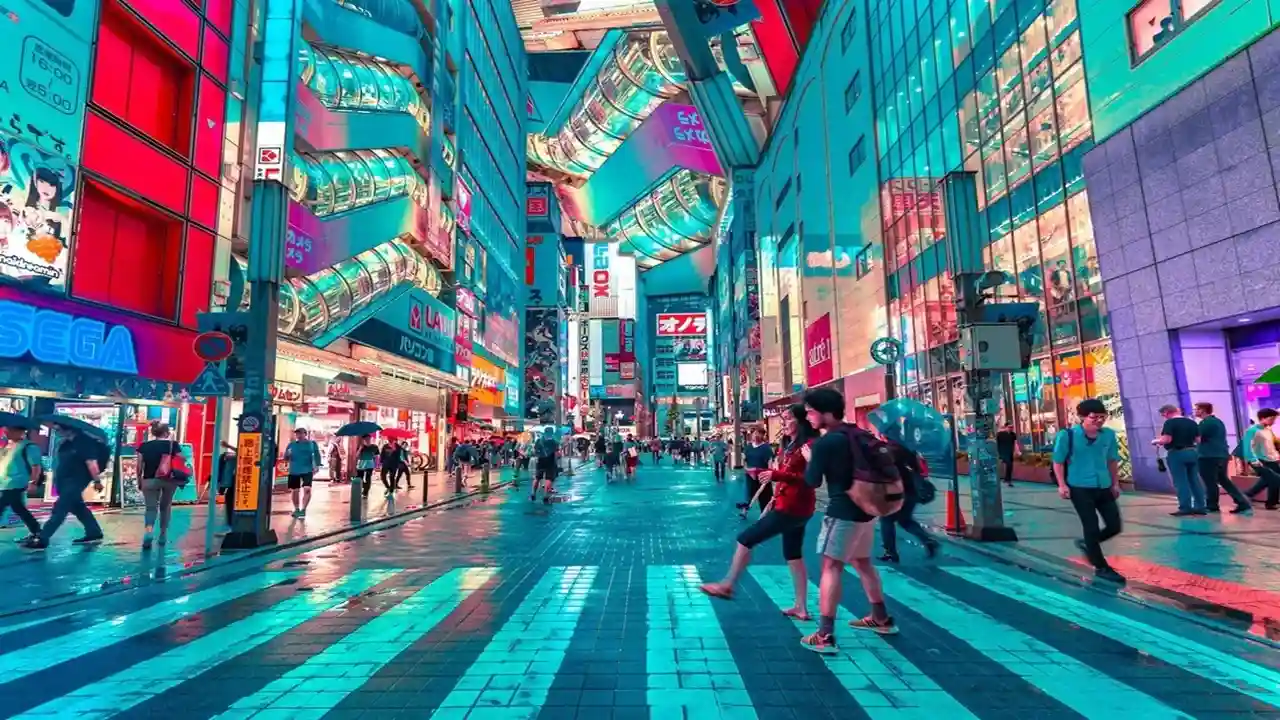
Takeshita Street is a vibrant and artistic youthful area, which has eccentric fashion stores, rainbow-themed dessert joints, cosplay outfits, and vintage hunting spots. It is as though it were a walking carnival. Teenagers, influencers, and tourists visit this place to express themselves without any bounds, turning the street into a runway with bold styles. It is a constantly evolving, loud, and fun place, and it is also a must-visit place for lovers of culture.
Location: Harajuku, one stop from Shibuya.
Famous for: Youth fashion, crepes, and cosplay.
Timings: 11:00 AM - 8:00 PM
Cost: Free
9. Shibuya Stream
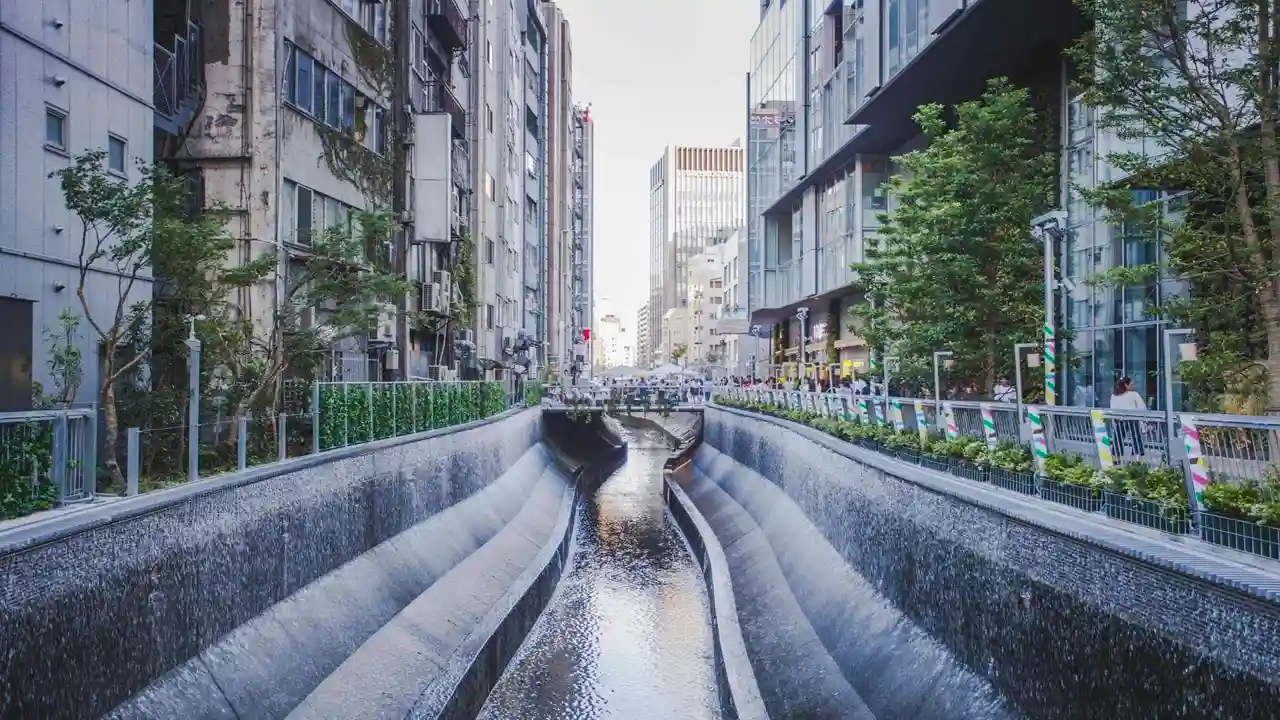
Shibuya Stream is a contemporary riverside complex, filled with restaurants, open walkways, a cafeteria, and cultural spaces. Its design provides a relaxing and fashionable escape from the bustling streets of Shibuya. The gentle sound of the river, laid-back seating, and foreign dining options make the evening strolls and meals a very peaceful experience.
Location: Linked to the Shibuya Station.
Famous for: Riverside restaurant and buildings.
Timings: 10:00 AM - 11:00 PM (varies by store)
Cost: Free entry
10. Shinjuku Gyoen National Garden
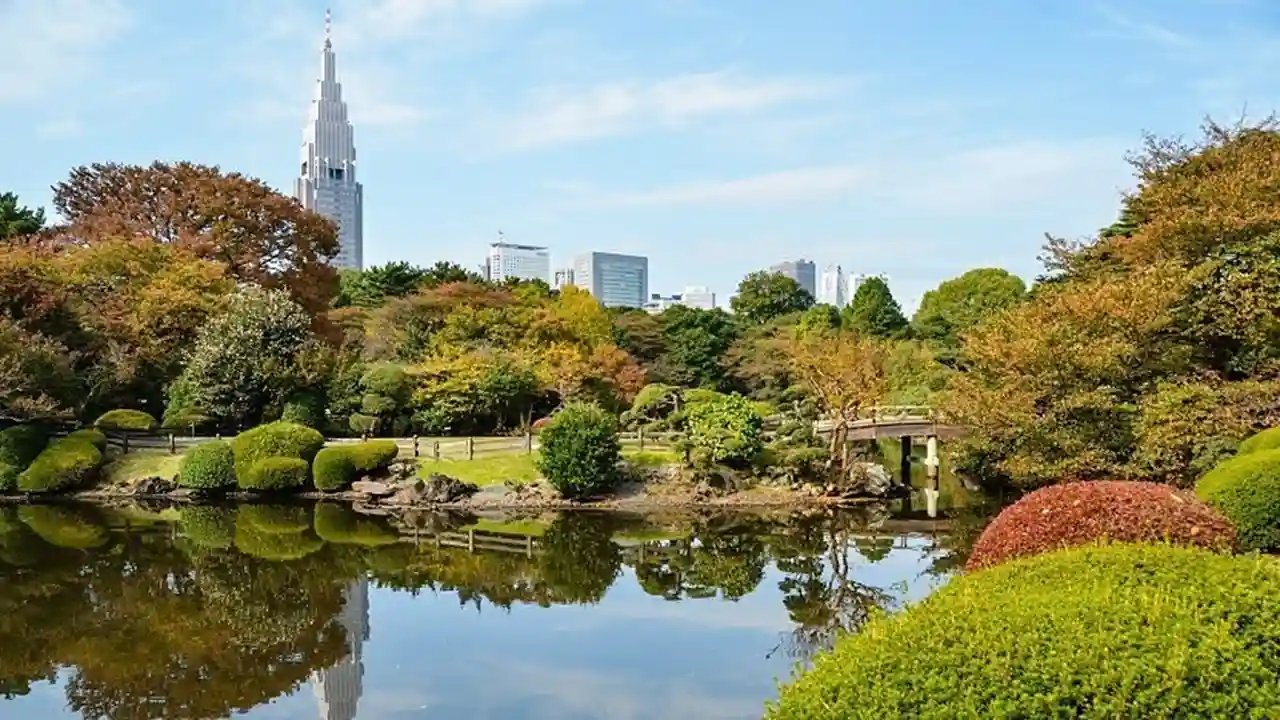
A little farther is Shinjuku Gyoen, which is a beautiful garden in Japan. It combines French, English and the traditional Japanese style, and the garden resembles an open-air painting. It is a serene escape into nature with cherry blossoms, still ponds, bridges, and broad lawns. It is ideal when one wants to have some quiet time, take photos, or have a look at nature.
Location: Shinjuku (10-minute train trip from Shibuya)
Famous for: Cherry blossoms and picturesque gardens.
Timings: 9:00 AM - 4:00 PM.
Cost: ₹290 (¥500)
Travelling Tips For Visiting the Hachiko Statue
Your visit to the famous Hachiko statue will be more enjoyable and comfortable once you follow these tips:
It is better to visit in the morning or late in the evening, when there are fewer or no crowds.
Take care of your belongings, though it is not dangerous, but usually pretty crowded.
Stop by the Shibuya Crossing and take more pictures.
Use the statue as the meeting point, as it is the most recognised landmark.
Photos are magical at night when the neon lights are operating.
Conclusion
Hachiko Statue is a statue of devotion, affection, and the warm heart of Tokyo. Going to Hachiko helps you get acquainted with one of the touching tales and puts you in the centre of numerous thrilling districts in Japan. Shibuya is a diverse blend of culture and creativity as seen in fashion streets and holy shrines, through neon nightlife and calm parks. You should come either to learn the history, have fun or discover places surrounding Hachiko, and you will never forget the experience, the colours and the modern charm of the place.











 View on Map
 (+91) 8287636079